On-Page SEO is an important part of digital marketing that focuses on improving individual web pages so they can perform better in search engine results. It helps search engines understand your website content while also making your pages more useful and engaging for visitors. A well-optimized website can attract more relevant traffic and provide a better experience for users.
What Is On-Page SEO?
On-Page SEO refers to the techniques used directly on a website to improve its visibility in search engines. Unlike off-page SEO, which focuses on external factors such as backlinks, on-page optimization deals with the content, structure, and HTML elements of your own website.
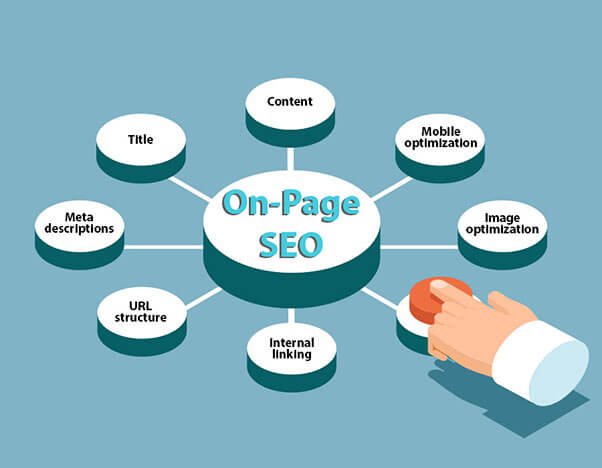
Important elements include page titles, headings, URLs, keyword placement, content quality, internal links, images, and meta descriptions. Each element plays a role in helping search engines understand what a page is about.
Why Is On-Page SEO Important?
A website may have excellent products or services, but potential customers need to be able to find it online. On-Page SEO helps search engines identify relevant pages for specific search queries.
Good optimization can improve search visibility, attract targeted visitors, and make your website easier to navigate. It also helps create a positive user experience by providing clear, useful, and well-organized information.
Key Elements of On-Page SEO
One of the first steps is creating a clear and relevant page title. Your title should accurately describe the content and encourage users to visit the page.
Headings such as H1, H2, and H3 help organize content into easy-to-read sections. Relevant keywords should be included naturally rather than being repeated excessively.
High-quality content is another important factor. Your content should answer users’ questions, provide useful information, and be easy to understand. Internal linking can also help visitors discover related pages while helping search engines understand the structure of your website.
Images should be properly optimized with descriptive file names and relevant alt text. Page loading speed, mobile friendliness, and a clean website structure are also important parts of a good on-page optimization strategy.
Best Practices for On-Page SEO
Effective On-Page SEO requires a balance between search engine optimization and user experience. Avoid keyword stuffing and focus on writing content that genuinely helps your audience. Keep paragraphs readable, use descriptive headings, optimize images, and make sure important pages are easy to access.
Regularly reviewing your website can also help identify outdated content, broken links, slow-loading pages, and other issues that may affect performance.
Conclusion
On-Page SEO is essential for building a strong online presence. By optimizing your content, headings, titles, images, links, and overall page structure, you can make your website more understandable to search engines and more valuable to visitors. Consistent optimization combined with useful content can help your website achieve better visibility and attract the right audience over time.